An official website of the United States government
A .mil website belongs to an official U.S. Department of Defense organization in the United States.
A lock (lock ) or https:// means you’ve safely connected to the .mil website. Share sensitive information only on official, secure websites.

Home : Library : Chairman's Leadership Library : Entrepreneurship

Innovation and Entrepreneurship 

Peter F. Drucker

Summary: Drucker outlines principles for fostering innovation within organizations, emphasizing systematic approaches to identifying opportunities and driving change.

Reasons to Read: Drucker’s concepts apply to the military by encouraging leaders to deliberately identify changes in the operational environment and turn them into advantages. Service members can use systematic innovation to improve tactics, processes, and resourcing rather than relying on ad hoc solutions. By taking disciplined initiative, they act entrepreneurially—turning ideas into practical improvements that enhance entrepreneurship 

Secrets of Sand Hill Road

Scott Kupor

Summary: Kupor’s central argument is that venture capital isn’t mysterious or luck-driven—it follows clear rules, incentives, and decision frameworks that can be understood and navigated. He emphasizes that success in fundraising comes from understanding how investors think, recognizing patterns in what they fund, and positioning your company to align with those expectations.

Reasons to Read: Kupor’s insights apply to the military by showing how to align ideas with decision-maker priorities, similar to framing proposals for commanders or higher headquarters. Leaders can use these principles to better “sell” initiatives—whether new capabilities, training concepts, or resource requests—by understanding risk, return, and strategic value. This strengthens a military professional’s ability to influence decisions and secure support for innovations that improve mission effectiveness.


The Goal: A Process of Ongoing Improvement

Eliyahu M. Goldratt

Summary: Uses a business novel format to explain how companies improve performance by identifying and managing constraints that limit productivity. Eliyahu Goldratt introduces the Theory of Constraints, showing that focusing on bottlenecks and aligning processes around a single goal can dramatically improve efficiency and results.

Reasons to Read: Directly applicable to logistics, sustainment, and operational processes. Joint Force leaders can utilize Goldratt's lessons to optimize performance in complex systems where inefficiencies can significantly degrade mission effectiveness.

The Psychology of Money 

Morgan Housel

Summary: Housel’s central argument is that financial success is less about intelligence or technical knowledge and more about behavior, mindset, and decision-making over time. He emphasizes that people who succeed financially don’t rely on perfect knowledge or timing—they practice patience, manage risk, and stay consistent in their behavior despite uncertainty.

Reasons to Read: The book's principles apply to the military by reinforcing disciplined decision-making under uncertainty, especially when managing risk and long-term outcomes. Leaders can apply this mindset to resource allocation, career planning, and operational decisions by focusing on consistency and avoiding emotional or impulsive choices. This helps military professionals remain steady, resilient, and effective in complex, high-stress environments where long-term success matters more than short-term wins.

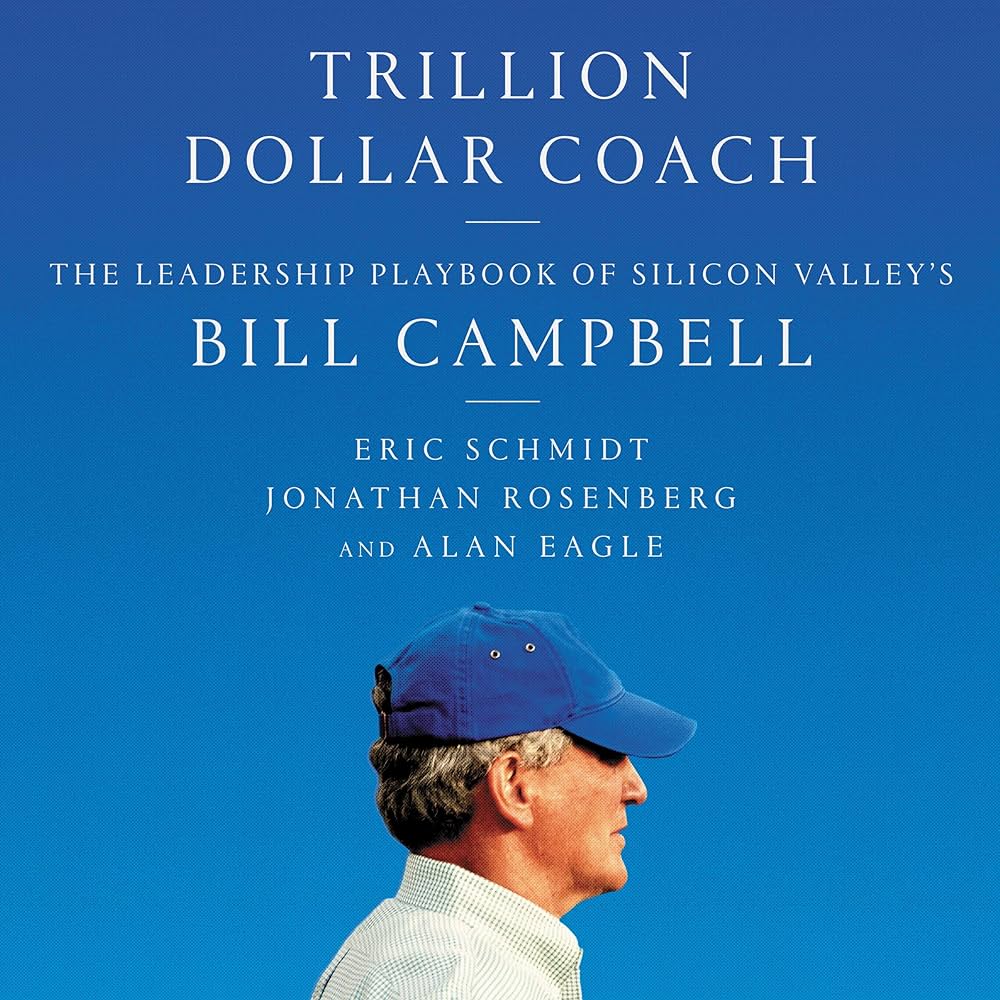
Trillion Dollar Coach

Eric Schmidt, Jonathan Rosenberg, and Alan Eagle

Summary: Trillion Dollar Coach chronicles the life, philosophy, and leadership approach of Bill Campbell, a legendary Silicon Valley executive coach who mentored leaders at companies like Google, Apple, and Intuit. Despite not being widely known outside tech circles, Campbell helped build companies whose combined value exceeded a trillion dollars—hence the title. The book is structured around practical leadership lessons, drawn from Campbell’s coaching style and the experiences of the executives he mentored.

Reasons to Read: Teaches servicemembers to build trust, prioritize team over self, and lead with candor and care. It strengthens small-unit cohesion, improves feedback and mentorship, reinforces ethical decision-making, and develops resilient leaders who cultivate high-performing teams capable of executing missions effectively under pressure in environments with disciplined execution consistently.